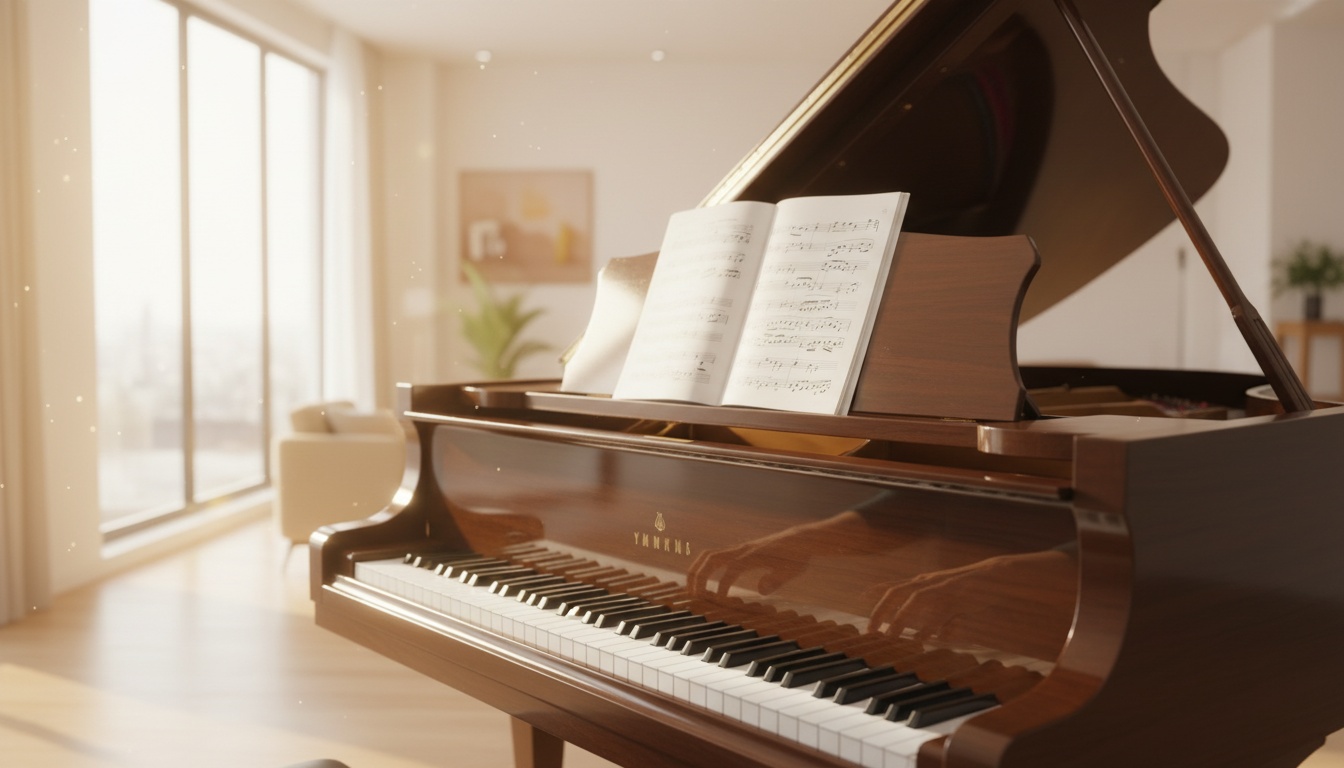
Many people dream about learning piano but hesitate to start because they believe the instrument is too difficult to master.
The truth is that piano is actually one of the most beginner-friendly instruments available. While mastering any instrument requires dedication and practice, the piano offers several advantages that make it easier for beginners to understand musical concepts.
In this article, we'll explore whether piano is truly difficult to learn and what beginners can expect when starting their musical journey.
Why Piano Is Considered Beginner Friendly
Unlike many instruments, the piano has a visual layout that makes understanding music easier.
Each key corresponds to a specific note, and the arrangement of black and white keys follows a consistent pattern across the entire keyboard.
This visual structure helps beginners quickly recognize notes, scales, and chord patterns.
Because of this, many music teachers recommend piano as the first instrument for learning music theory.
Common Challenges Beginners Face
Although piano has many advantages, beginners still face some challenges when learning the instrument.
Hand Coordination
One of the first challenges is learning to coordinate both hands at the same time. Beginners must train their hands to play different notes simultaneously.
This can feel awkward at first, but coordination improves quickly with practice.
Learning Rhythm
Rhythm is a key part of playing music. Beginners must learn to keep steady timing while playing notes.
Practicing with a metronome can help develop this skill.
Reading Sheet Music
Traditional piano learning often requires reading sheet music, which can take time to master.
However, many modern learning approaches allow beginners to start playing recognizable songs much sooner.
Essential Tools for Learning Piano
Before you begin learning piano at home, it's important to choose the right instrument.
Acoustic Piano
An acoustic piano offers the most authentic playing experience. However, these instruments are expensive and require regular maintenance.
Digital Keyboard
Many beginners start with a digital keyboard. Modern keyboards are affordable, portable, and often include useful features such as built-in rhythms, headphones, and recording options.
A keyboard with 88 weighted keys is usually the best option for beginners who want a playing experience similar to a real piano.
Start With the Basics
Before jumping into songs, beginners should spend some time learning the layout of the keyboard.
Key fundamentals include:
- identifying middle C
- learning major and minor chords
- understanding basic rhythm patterns
- developing finger coordination
Practice in Short Daily Sessions
Practicing for 20-30 minutes each day can produce faster progress than practicing for several hours once per week.
Use a Structured Learning Program
One challenge of learning piano at home is figuring out what to practice next. Structured piano courses provide step-by-step instruction designed specifically for beginners.
One example of this type of program is PianoForAll, which teaches beginners how to play using chords, rhythm patterns, and practical song-playing techniques.
👉 If you want to see exactly how the program works, you can read the full review here:
https://www.simsersaffiliate.com/reviews/pianoforall-review
Final Thoughts
Learning piano at home is an excellent option for beginners who want flexibility, affordability, and the freedom to learn at their own pace.
With the right instrument, a structured learning plan, and consistent practice, anyone can develop solid piano skills from the comfort of their own home.