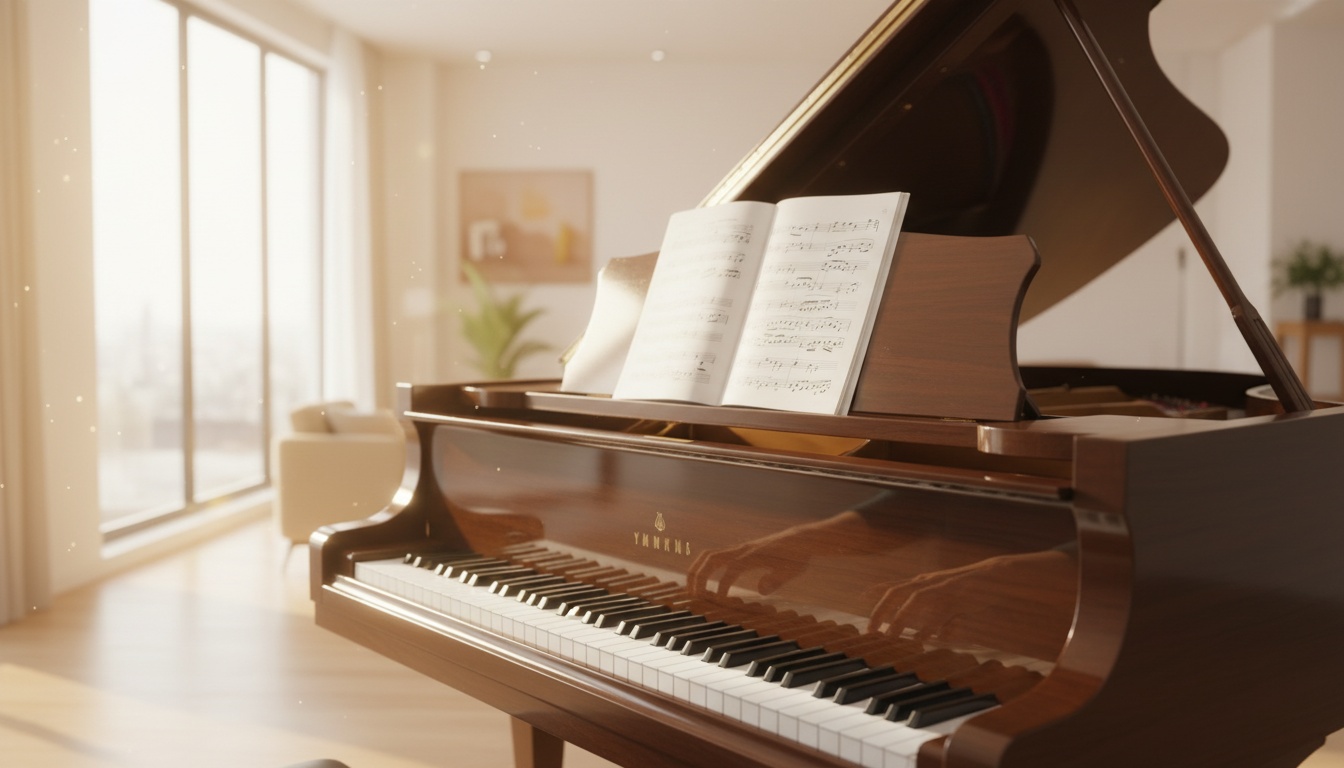
Learning to play the piano is one of the most rewarding musical skills a person can develop. The instrument allows you to play everything from classical pieces to modern pop songs, and it's often the foundation for learning music theory.
However, beginners often feel overwhelmed when they first start learning piano. Between sheet music, scales, finger exercises, and music theory, it can feel like there is an endless amount of information to absorb before you ever play your first real song.
The good news is that learning piano today is very different from the traditional methods used decades ago. Modern learning techniques focus on helping beginners start playing actual music much sooner.
In this guide, we'll explore how beginners can learn piano faster and build confidence while developing their skills.
Why Traditional Piano Learning Can Be Slow
Traditional piano lessons often begin with a heavy focus on music theory and reading sheet music. While these skills are valuable, they can slow down the early learning process for beginners.
Many students spend months learning scales and simple exercises before they ever feel confident enough to play a recognizable song. This slow progress can lead to frustration and loss of motivation.
Today, many teachers and online programs take a different approach. Instead of starting with theory, they focus on teaching students how to play songs using chords and rhythm patterns.
Learn Chords First
One of the fastest ways to start playing piano is by learning basic chord progressions.
Chords are combinations of notes played together, and they form the foundation of most modern music. Once you learn a few simple chords, you can play a surprising number of songs.
For example, many pop songs are built around just four chords. Learning these patterns can allow beginners to start playing recognizable music quickly.
Practice in Short Daily Sessions
Consistency is far more important than long practice sessions.
Instead of practicing for several hours once a week, beginners should aim for shorter sessions every day.
A good beginner routine might include:
- 5 minutes of finger warm-ups
- 10 minutes practicing chords
- 10 minutes playing songs
This approach helps build muscle memory while keeping practice enjoyable.
Focus on Songs You Enjoy
Motivation is one of the biggest factors in learning any instrument. Beginners who practice songs they enjoy are far more likely to stay consistent.
Instead of focusing only on exercises, try learning simple versions of songs you already like. This keeps practice sessions exciting and rewarding.
Consider Structured Learning Programs
One challenge of learning piano at home is figuring out what to practice next.
Structured learning programs can help solve this problem by providing step-by-step lessons designed specifically for beginners.
Some online courses teach piano using a chord-based system, which allows beginners to start playing songs much sooner than traditional methods.
One program that many beginners explore is PianoForAll, which focuses on helping students learn through chord progressions and rhythm patterns.
👉 If you're curious how the program works, you can read the full review here:
https://www.simsersaffiliate.com/reviews/pianoforall-review
Common Beginner Mistakes
Avoiding a few common mistakes can significantly speed up your progress.
Practicing Without a Plan
Random practice often leads to slow improvement. Following a structured plan helps build skills progressively.
Trying to Learn Too Much at Once
Beginners sometimes try to learn complex songs too early. Starting with simple chord progressions builds a strong foundation.
Skipping Rhythm Practice
Rhythm is just as important as melody. Practicing with a metronome helps improve timing and coordination.
Final Thoughts
Learning piano doesn't have to take years before you start enjoying the instrument.
By focusing on chords, practicing consistently, and following a structured learning system, beginners can make meaningful progress much faster than traditional methods suggest.
If you're interested in seeing a step-by-step course that teaches beginners how to play piano using modern techniques, you can read the full review of PianoForAll here:
👉 https://www.simsersaffiliate.com/reviews/pianoforall-review